Home » Benefits (Page 2)
Category Archives: Benefits
Labor Day 2014 – Original SANDDUNE Celebrates Caregivers
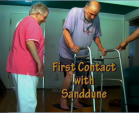
Rehabilitation
Caregivers need to keep their Fitness and Vitality in check!
As more and more Baby Boomer age, their adult children are shouldering caregiving for parents, children and grandchildren simultaneously. As a result many tend to forget to take care of themselves. This holds true for Boomers opting to stay at home preferring care from family, usually the spouse who juggles responsibilities with the adult children.
Fitness and healthy eating become a thing of the past. Oftentimes it is the caregiver that everyone depends on who turns into the patient, becoming incapacitated and unable to care for anyone.
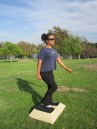
Pad & Short Burst Cardio
Original SANDDUNE™ provides a viable answer for many caregivers who are “home bound” and or juggling time between “generational” needs/demands with little backup support more often than not. It creates discipline and provides that valuable time for focus on fitness at home in a time frame that works even if flexibility is part of the equation. Its there, ready for action.
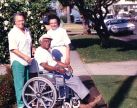
Senior Citizens
With assistance, the gentle low impact exercise that SANDDUNE™ offers, makes it a Fall Prevention exercise alternative to discuss with the doctor or physical therapist for the parents who are frustrated with reduced physical activity and mobility due to weight gain, surgery, illness or injury inclusive of diabetic neuropathy, Parkinson’s, aching knees, or drop foot.

Fun on the SANDDUNE
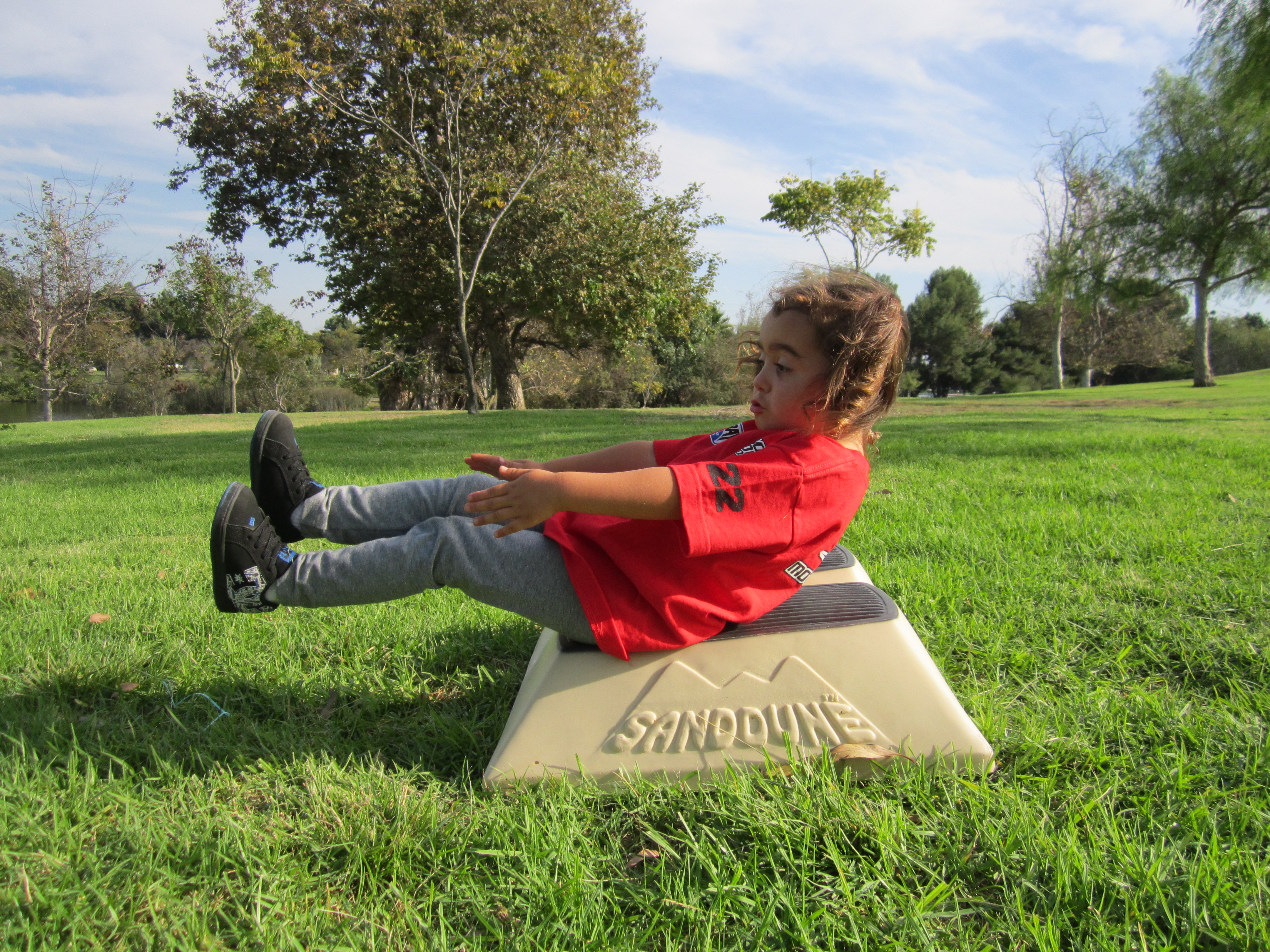
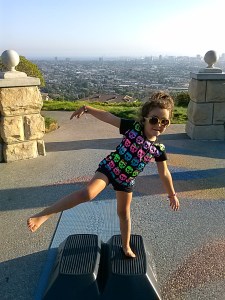
The unique benefit of Original SANDDUNE™ is created by its ability to provide “mirror” muscle resistance by simulating walking through loose sand at the beach and the light weight, portability and “squishy” surface make it fun and easy for grandkids to use.
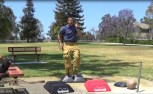
Fitness & Train Low Workout
Begin your simulated “beach workout at home” today. Start slow with padding for 15 minutes twice a day and build from there to maintain or begin building that healthy lifestyle of core balance, muscle strength, fitness, vitality, eating and a brighter outlook on Life with Original SANDDUNE™.
Your Internal GPS
Experiencing weight bearing activity on a compliant surface such as the Original SANDDUNE™, engages use of proprioception otherwise known as your internal GPS. Exercise on this apparatus safely recruits muscle fiber without the traditional tearing that occurs on hard surfaces. This is why we suggest padding for at least 2 weeks to become acquainted with the Original SANDDUNE™’s unconventional surface.
This regimen is a great alternative to letting the body rest after following the workout/fitness pattern of high intensity workout training without loosing the strength and stamina gained in the high intensity workouts.
Original SANDDUNE™ is also an alternative to beginning a regimen that can be part of addressing neuropathy, common in many with diabetes. It is easy on the feet facilitating and encouraging exercise.
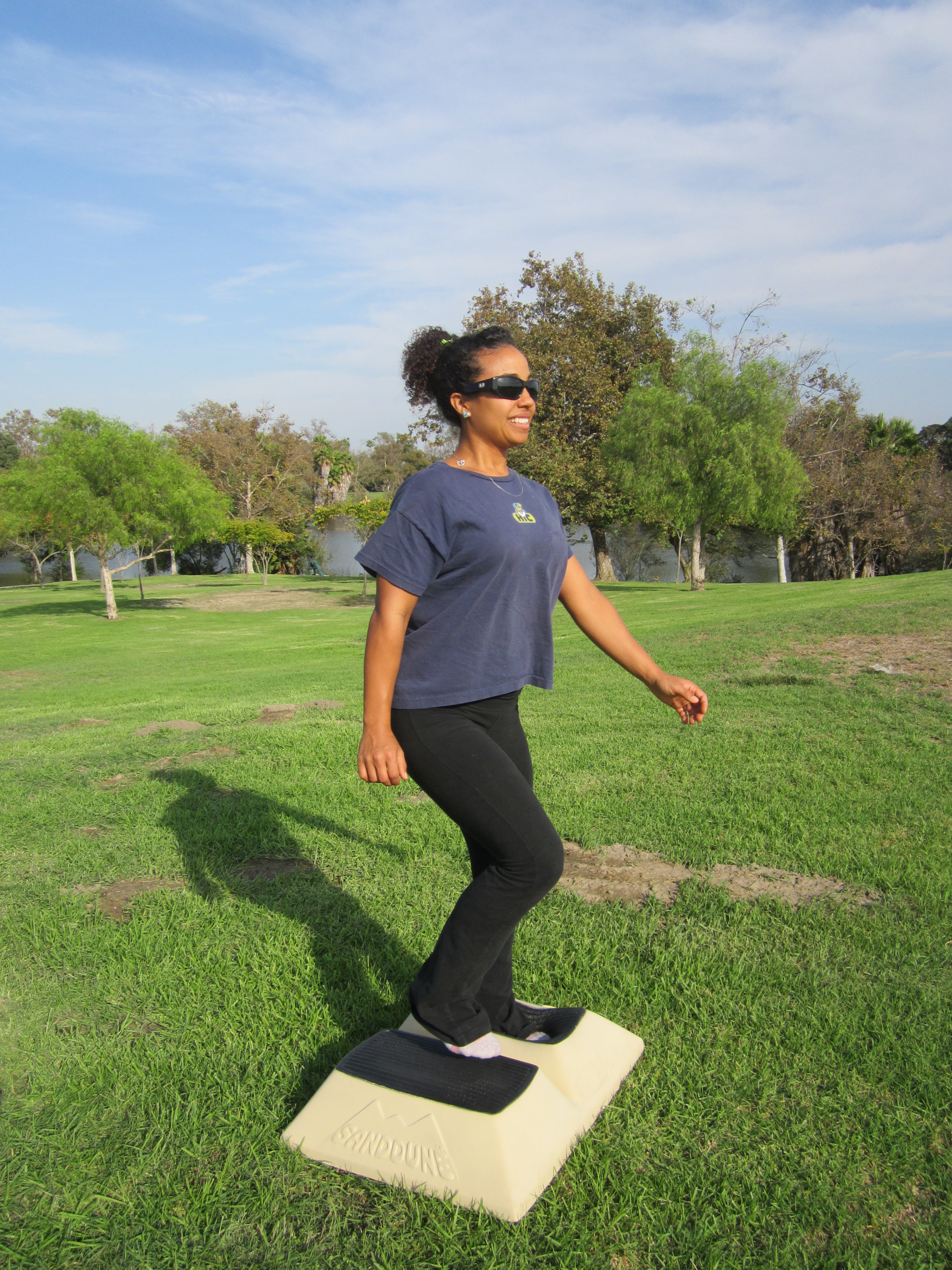
Padding is simply walking but keeping your feet in continual contact with the surface. This is suggested for EVERYONE, including high functioning athletic types. Resist the temptation to jog. Why? Because you are retraining every muscle
and joint in your body including long and short muscles closest to the bone.
This is “mindful” centering with the somatasensory body (whole body meaning bottom of foot to brain) – a new way of educating and retraining the foundation of your physical body (neuro pathways) using Original SANDDUNE#™.
Simply holding on to a bar and learning to stand on one leg with your other foot raised slightly above the pad after you have centered yourself or just standing and learning to create small dime size circles clock-wise and counter-clockwise under your foot, noticing how the sensation moves up your legs into the trunk and into the hip sockets, will help you begin to retrain your foundation.
Learning the subtleties of how the body aligns and connects through the resistance option of both uphill and downhill positions teaches postural integrity. The uphill slope is higher and simulates walking uphill. The downhill slope is lower and simulates walking downhill.
Beginning these exercises slowly and building speed and momentum may not feel like much to start, but the results will definitely make themselves known or felt in a relatively short time as the muscle activation becomes stronger and the movement easier. Once you step off and resume walking on a normal surface, you will begin to notice subtle changes in your posture.
This is your new way of educating and retraining the foundation of your core balance, strength and coordination.
The Networking Maze Tendons and Ligament

Get Low to Stay Low Workout
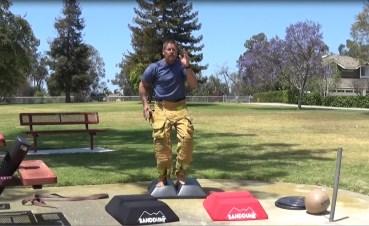
Demo and Brief Description of Low Assault Workout
As professionals whose livelihood weighs heavily on their ability to get into and out of buildings that are burning and collapsing, firefighters know that their job demands superior upper body strength and balance coupled with that same demand for their lower extremity strength and mobility. Their job requires them to work in a crouch position staying low to the ground so their profile is not in the midst of blinding, choking smoke. With job descriptions that include:
- Guiding and carrying people out of burning cars or collapsing buildings
- Tearing down walls to create escape routes
- Dragging 50 lb hoses
This equates to lower body strength being paramount. Fast reaction time, speed and strength are key. In the athletic world:
- defensive and offensive linemen in football
- sprinters coming out of the blocks
- jockeys
- ballet dancers
- martial artists
- skiers
- soccer players
are some examples of the athletes whose lower body strength, reaction time and speed are critical to their
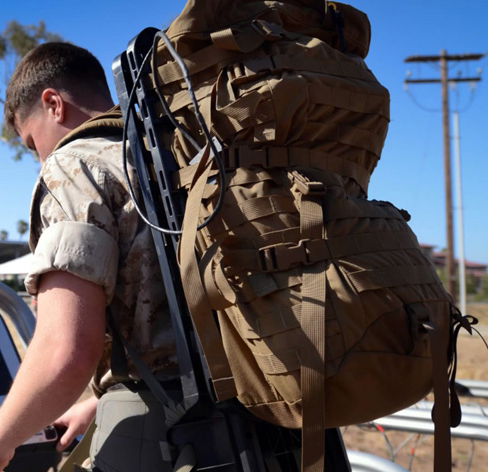 performance. This same premise can be applied to military troops who must carry 75 lbs and upwards on their backs during training and on the battle field. The Low Assault – Get Low to Stay Low workout will help build sustained, explosive muscle strength and fluid lower body power.
Retweet From @ Super Fit Senior
Can regular exercise really cut the risk of degenerative diseases like Alzheimer’s?
http://nyti.ms/1z6AtGZ
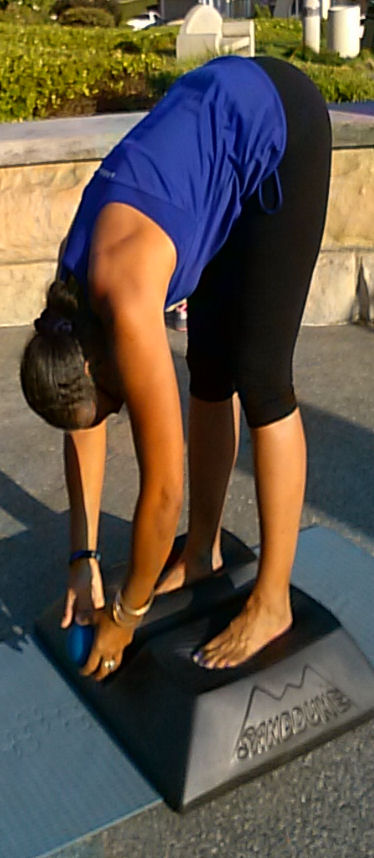
Roll Down Stretch with Small Hand Held Exercise Ball

Lunge SANDDUNE style

Elbow Plank

Standing Big Toe Hold

Seated Big Toe Hold

Pilates Single Leg Stretch on Original SANDDUNE
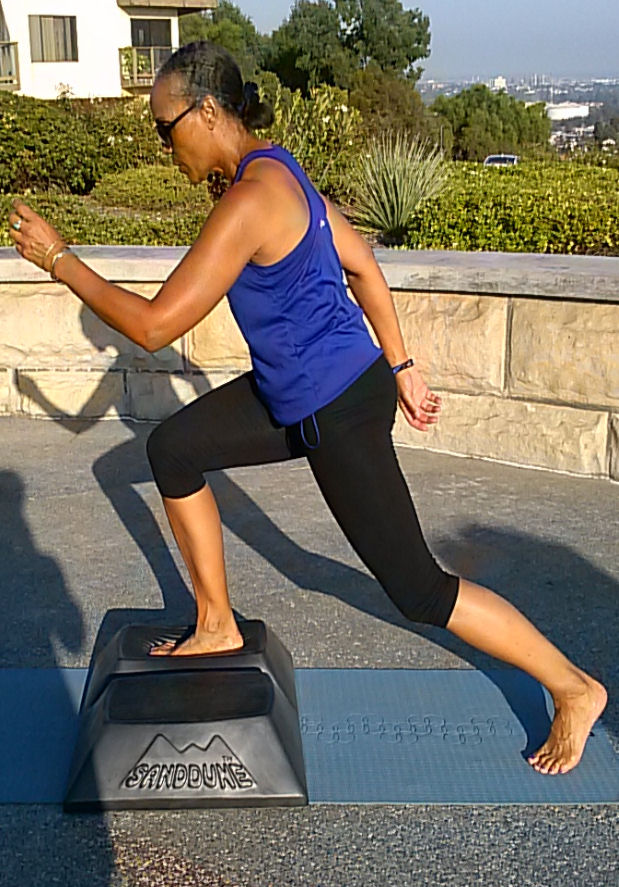
Step Up Rear Lunge
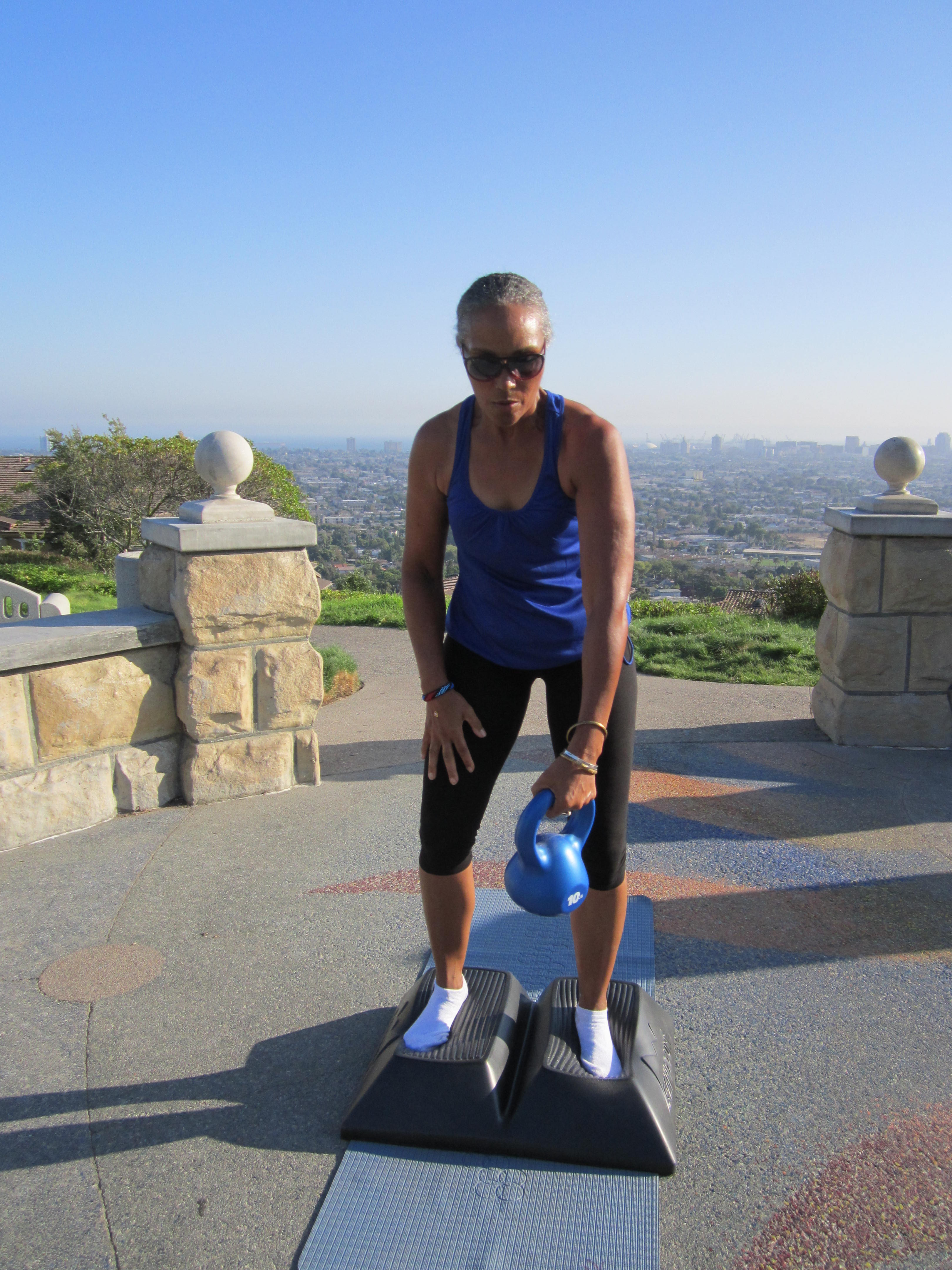
Kettlebell workout on Original SANDDUNE
Celebrate 4th of July with Appreciation
Independence Day is a day to reflect and show appreciation for Liberties we have accessible to us, collectively and individually in America.
This is the Land of Opportunity even in hard times.

Have a Safe and Sane Holiday from the Original SANDDUNE™!
Sharing a post from Houston Methodist

Mindful morning start #1
 When you first awaken in the morning, start with gentle mindful movements like a cat or dog stretches when they get up. Learn to listen to your body. Begin to recognize its changes. Try the suggestions that will appear over the course of the coming days, to renew or build your connection with your body’s alignment starting with a morning regimen, one exercise at a time, as you attentively experience each one and then finally put them all together in a series of gentle exercises you can use every morning to get your day going.
#1. Begin with body rolling. It’s a soothing way to get the blood flowing as you roll from side to side with your arms and bent knees folding and unfolding as you roll back and forth. Begin lying on your right side in the fetal position. As you begin to roll on your back, let your left arm float open as it crosses your body and your back flattens on to the bed. Your left knee mirrors the movement of your arm as the hips. Complete the motion by bringing your right arm and leg over to meet their left side’s counterparts in the fetal position. Do this rolling back and forth 4-6 times. Sometimes this is all you may want to do for 2-5 minutes. It feels great on the back. Then go for a jog, have some fun on the SANDDUNE, no traffic, no stop lights and no changing! Give your knees and feet a gentle start in the morning. You will still get a work out!
Dancing on the SAND
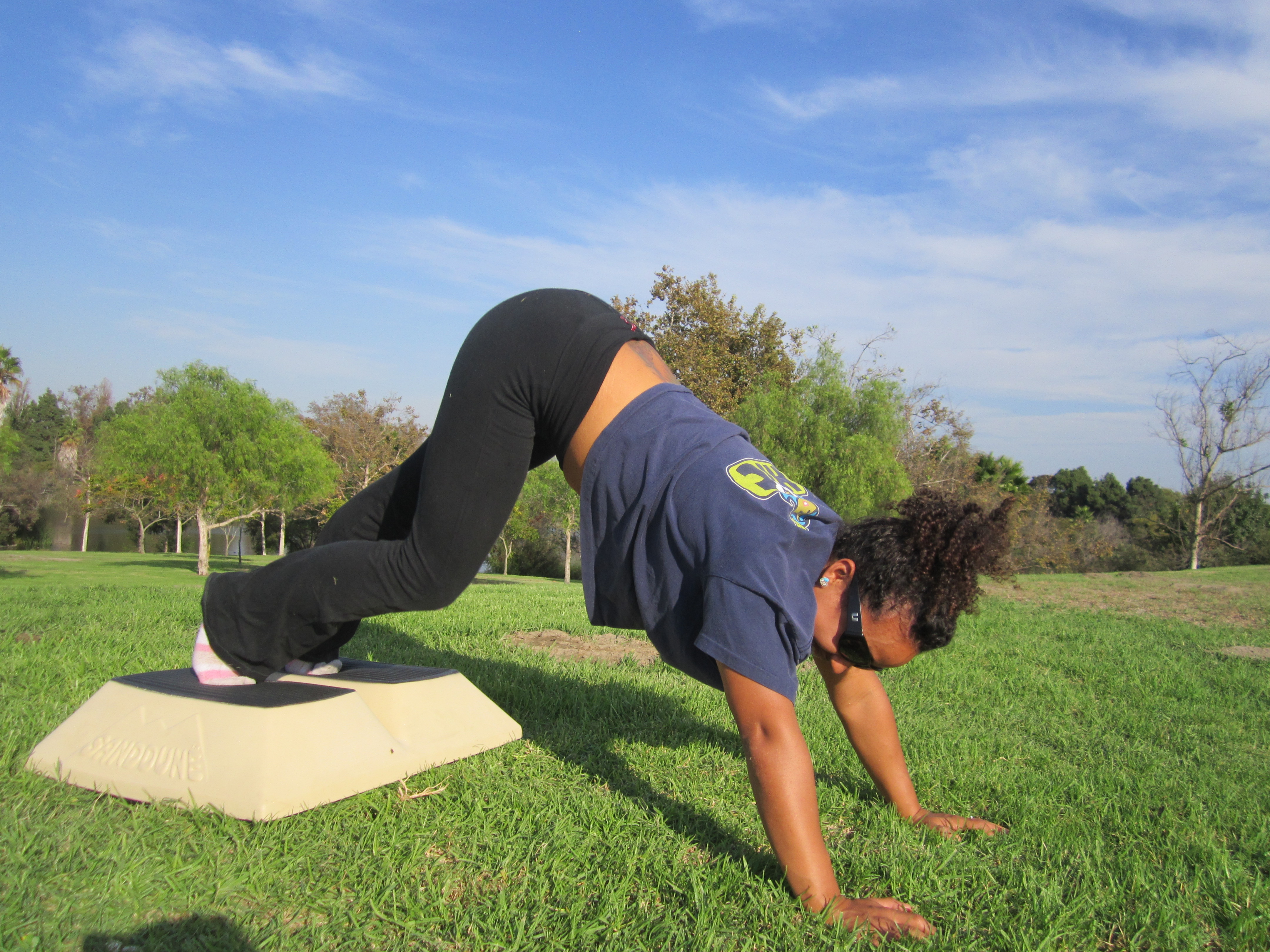
Robert Contreras of Inspire Dance Company of Las Vegas and his dancers show their moves on Original SANDDUNE. Solid building tool for dancers from youth to adult. Challenges and strengthens!
The Brain’s job and Neuroplasticity
The brain’s job is to learn and when occupied in an inner awareness or mindful undertaking, like meditation, its capacities grow because you need to pay attention/focus for the brain to learn the activity.
- In yoga, for example, when you first begin, one must move slowly and mindfully to understand what is happening when learning a new motor skill.
- The focus on and practice of these new activities causes the brain to adapt, and to create new motor and sensory-motor maps for the task at hand.
- This is known as “neuroplasticity.”
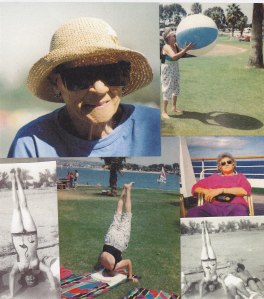

Science has shown that this phenomenon of the brain called “neuroplasticity,” enables it to create its own re-organization and produce new neurons. Dr. Paul Bach-y-Rita, American neuroscientist and Moshe’ Feldenkrais, a Ukrainian born physicist/mechanical engineer, are responsible for coining the term and introducing this to the world of science.
The premise of the Original SANDDUNE™ addresses:
- neuromuscular disorders
- performance acceleration
- weight control
- balance issues
In the realm of sports, it has been used by dancers, professional, amateur, and “school based” teams, and medically by physical/occupational therapists for injury and post surgery rehabilitation.
 Original SANDDUNE™