Dancing on the SAND
Robert Contreras of Inspire Dance Company of Las Vegas and his dancers show their moves on Original SANDDUNE. Solid building tool for dancers from youth to adult. Challenges and strengthens!
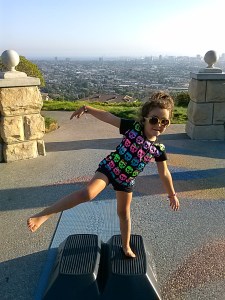
How does the SANDDUNE help with balance and strength?
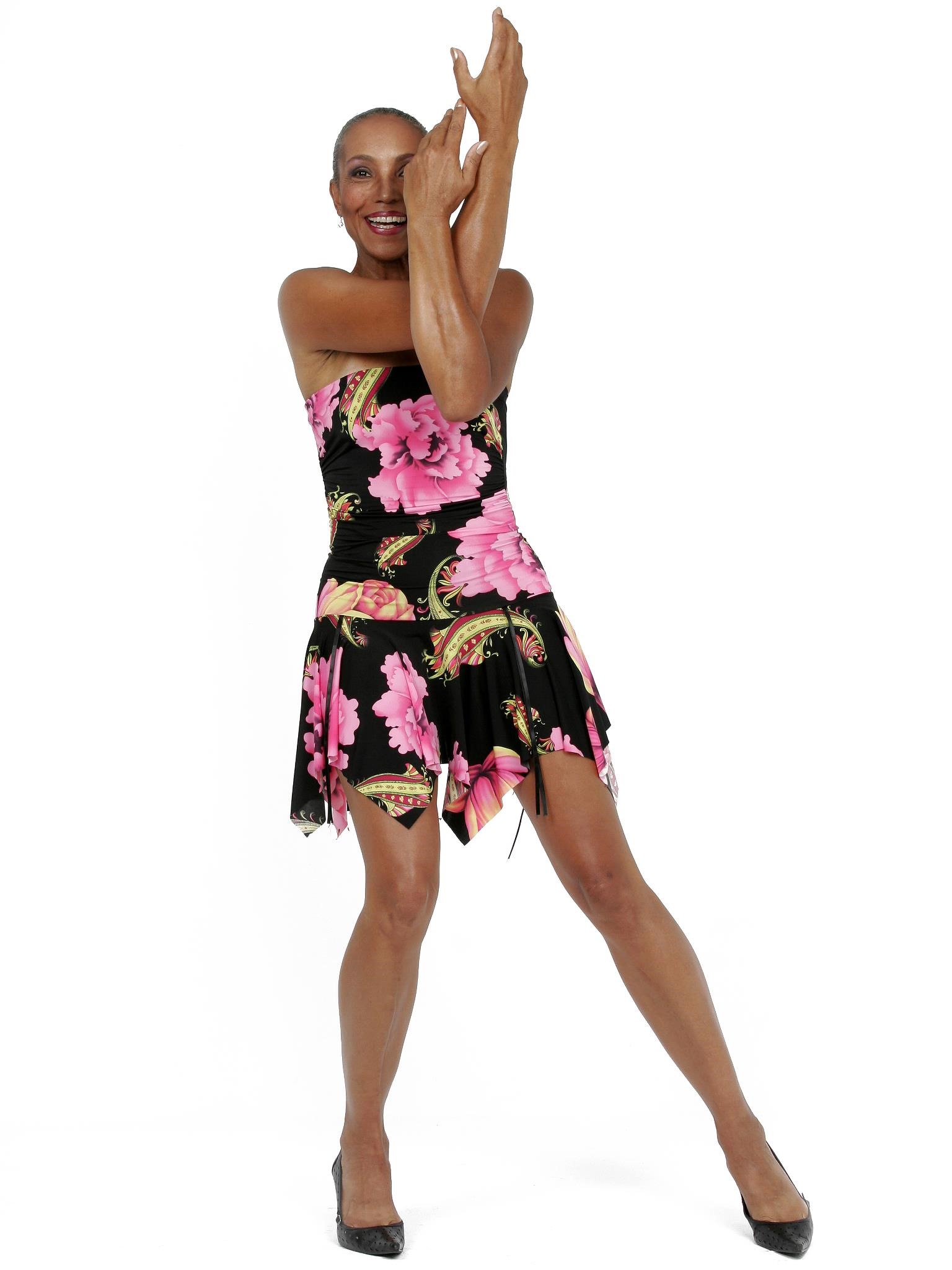
Eagle’s Lost Focal Point!
The Original SANDDUNE™ simulates walking in loose sand at the beach. It challenges your body to find its center of gravity. The natural phenomenon of neuropaths being re-activated after lack of activity caused by injury, illness or sedentary lifestyle, causes your muscles to react to signals from your brain, which begins a process of strengthening those muscles which are necessary to restore and maintain good balance.
For example, people with strong balance can try this Spine Stretch exercise described below on the SANDDUNE to really build and challenge their balance. From there progress to positions like the Eagle pose in Yoga. Make sure you have someone present with you to spot if this is new for you. If not, have a barre or something sturdy and stable to assist you should you loose your balance – wall or sturdy chair for example. Make sure there are no sharp object around you.
- Center yourself on the SANDDUNE with a small ball if you like, weighted or not, in your hands, with arms bent so that the ball is at your neck just below your chin.
- Stand straight, tailbone tucked with bellybutton pulled back toward your spine so your core is engaged and active. Remember as you increase your flexibility you are increasing your core strength on this apparatus.
- Before you begin your roll down, pick a focal point on the floor to maintain your balance once your eyes meet the floor.
- Now, imagine peeling an orange, trying to keep the peel in one piece as you prepare to begin a roll down (similar to what is done when doing a spinal stretch forward on the floor). If you are not an orange lover, then think Slinky toy and their fluid motion.
- Tuck your chin close to your chest resting it on top of the ball in your hands as you begin to slowly drop your head onto the ball in your hands and start to descend into your stretch. SLOWLY is the key word here. Your eyes focal point should follow the movement of your head. Draw an arc with your eyes or close your eyes and watch your body’s movement in a mindful visual manner.
- As you roll down, your head, hands and the ball will come into line with your waist. This is when you begin to uncurl your arms, keeping them close to your body and drop the ball slowly as you stretch the ball toward your feet. As Martha Graham, the great American Dancer said, “When you extend your arm, it doesn’t stop at the end of your fingers.”
- When you reach your feet, mindfully relax for a count of what is comfortable for you if this is your first time so that you can understand your body’s adjustments to being on a moving surface. A count said out loud of 1001, 1002, 1003 is a great way to gauge what your body’s balance can handle. Another quote from Martha Graham put this into perspective. “First we have to believe, then we believe.” “The body never lies.”
- At the end of your count, roll back up to standing in the same slow, fluid manner that you descended to your feet.
- I like to do this 10 to 20 times unless I want a deep stretch and trying to tuck my fingers under the SANDDUNE™ to increase my stretch.

Eagle Focus Found on The SANDDUNE!
HAPPY NEW YEAR!
AS THE NEW YEAR DAWNS
THE ORIGINAL SANDDUNE™ WISHES YOU A
BALANCED, HAPPY, HEALTHY & PROSPEROUS
NEW YEAR IN 2014!

COG – Center of Gravity
When you begin to learn about the Center of Gravity or COG whether you are standing or sitting, you will learn how many small movements contribute to your COG and how they awaken the spine and your feet as the foundations for your COG.
You learn:
- how to sit properly on your sit bones vs. slouching and how this affects your posture both sitting and standing. If you slouch when you sit, you will most likely slouch when you stand. This
 means learning to keep the belly button pulled in, shoulders square, a long spine and open chest (no slouched shoulders or shuffling when walking).
 - the importance of eye and head movement to sound balance. Most people do not “think” about how eye and head movement affect the body’s everyday functioning. This is especially critical as we age.
- the relevance of sensing your ankle, arch, heel pad, the ball of your foot, and be able to differentiate and move the five toes, which many people never think of doing.

Because the feet are the Foundation for the COG, weight shifting – both standing and dynamic (walking, running, cross training, etc), and learning to work your  heels and toes together are paramount to healthy gait and balance. This applies whether one is aging, recovering from an injury/surgery or extended time off of the feet due to illness.
Understanding this leads to the comprehension of how these individual systems tie into “proprioception” or knowing where your body is in space. The sensors engaged by this proprioception are in each joint, the bottoms  of the footpads, the visual and vestibular (inner ear) system as well as touch. For example, proprioception not only helps with daily direction-finding, but also is essential to becoming a beautifully expressive dancer or gymnast, successful professional golfer, or runner.
Together these sensors help to provide information about the environment that we see daily and that the muscles are engaging in judging the height of  a step, the distance to the rail or ball, the depth of the curb, or the placement of the foot as a turn or a yoga stance is executed.
Learning to stretch and strengthen these muscles, their respective systems and their correlating movements on the non-compliant surface of an Original SANDDUNE™ makes it easier to do on solid ground. Why is it easier? You are not trying to balance your body on the ground as you do on the mirror resisting exercise produced by the Original SANDDUNE™. Referenced from Miriam Tate’s findings and class development.
How does the SANDDUNE help with balance and strength?
Eagle’s Lost Focal Point!
The SANDDUNE™ simulates walking in loose sand at the beach. It challenges your body to find its center of gravity. The natural phenomenon of neuropaths being re-activated after lack of activity caused by injury, illness or sedentary lifestyle, causes your muscles to react to signals from your brain, which begins a process of strengthening those muscles which are necessary to restore and maintain good balance.
For example, people with strong balance can try this Spine Stretch exercise described below on the SANDDUNE to really build and challenge their balance. From there progress to positions like the Eagle pose in Yoga. Make sure you have someone present with you to spot if this is new for you. If not, have a barre or something sturdy and stable to assist you should you loose your balance – wall or sturdy chair for example. Make sure there are no sharp object around you.
- Center yourself on the SANDDUNE with a small ball if you like, weighted or not, in your hands, with arms bent so that the ball is at your neck just below your chin.
- Stand straight, tailbone tucked with bellybutton pulled back toward your spine so your core is engaged and active. Remember as you increase your flexibility you are increasing your core strength on this apparatus.
- Before you begin your roll down, pick a focal point on the floor to maintain your balance once your eyes meet the floor.
- Now, imagine peeling an orange, trying to keep the peel in one piece as you prepare to begin a roll down similar to what is done when doing a seated spine stretch. If you are not an orange lover, then think Slinky toy and their fluid motion.
- Tuck your chin close to your chest resting it on top of the ball in your hands as you begin to slowly drop your head onto the ball in your hands and start to descend into your stretch. SLOWLY is the key word here. Your eyes focal point should follow the movement of your head.
- As you roll down, your head, hands and the ball will come into line with your waist. This is when you begin to uncurl your arms, keeping them close to your body and drop the ball slowly as you stretch the ball toward your feet. As Martha Graham, the great American Dancer said, “When you extend your arm, it doesn’t stop at the end of your fingers.”
- When you reach your feet, mindfully relax for a count of what is comfortable for you if this is your first time so that you can understand your body’s adjustments to being on a moving surface. A count said out loud of 1001, 1002, 1003 is a great way to gauge what your body’s balance can handle. Another quote from Martha Graham put this into perspective. “First we have to believe, then we believe.” “The body never lies.”
- At the end of your count, roll back up to standing in the same slow, fluid manner that you descended to your feet.
- I like to do this 10 to 20 times unless I want a deep stretch and am trying to tuck my fingers under the SANDDUNE to increase stretch.
Eagle Focus Found on The SANDDUNE!
 Original SANDDUNE™